1. Start with who you sell to
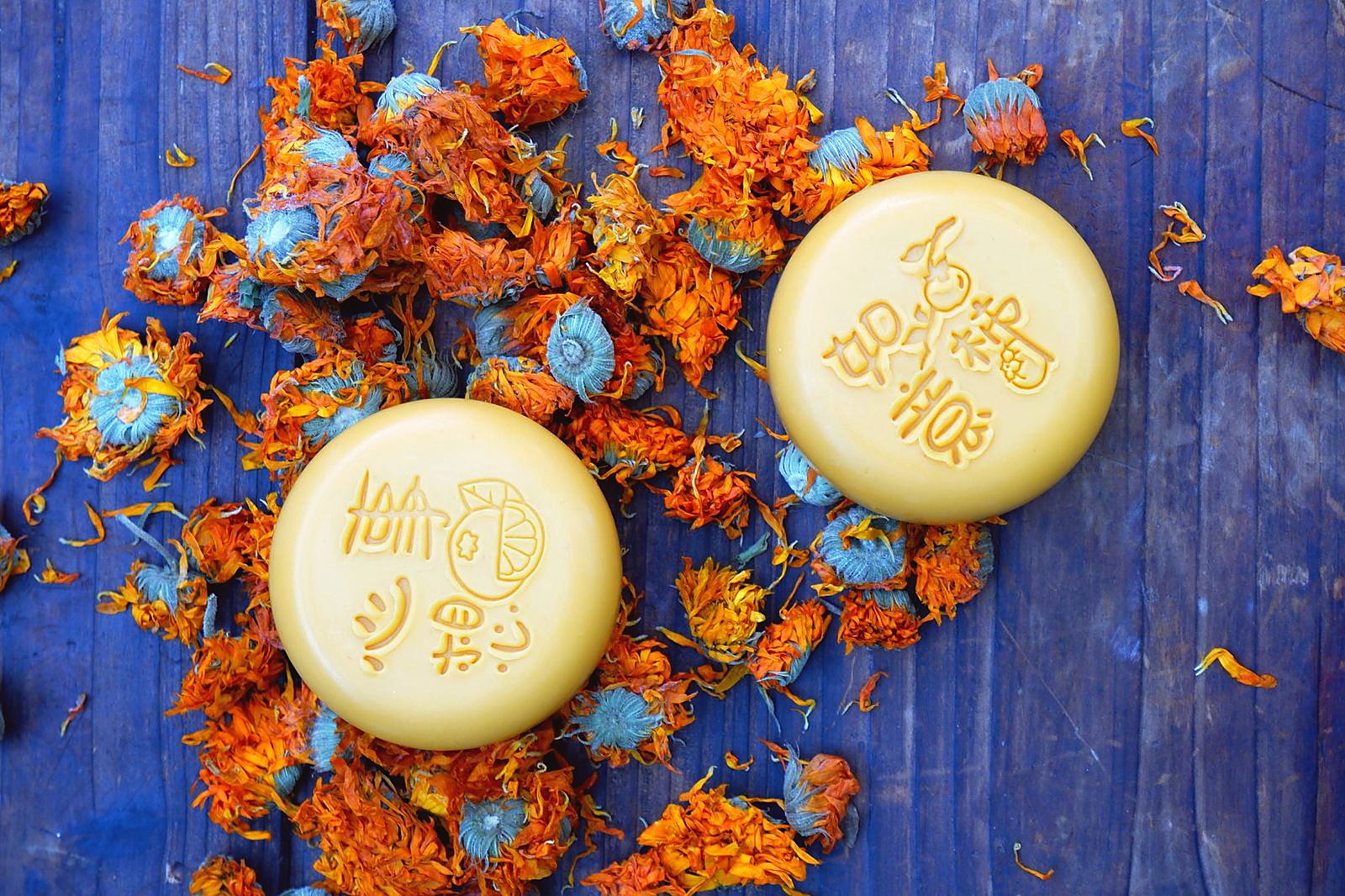
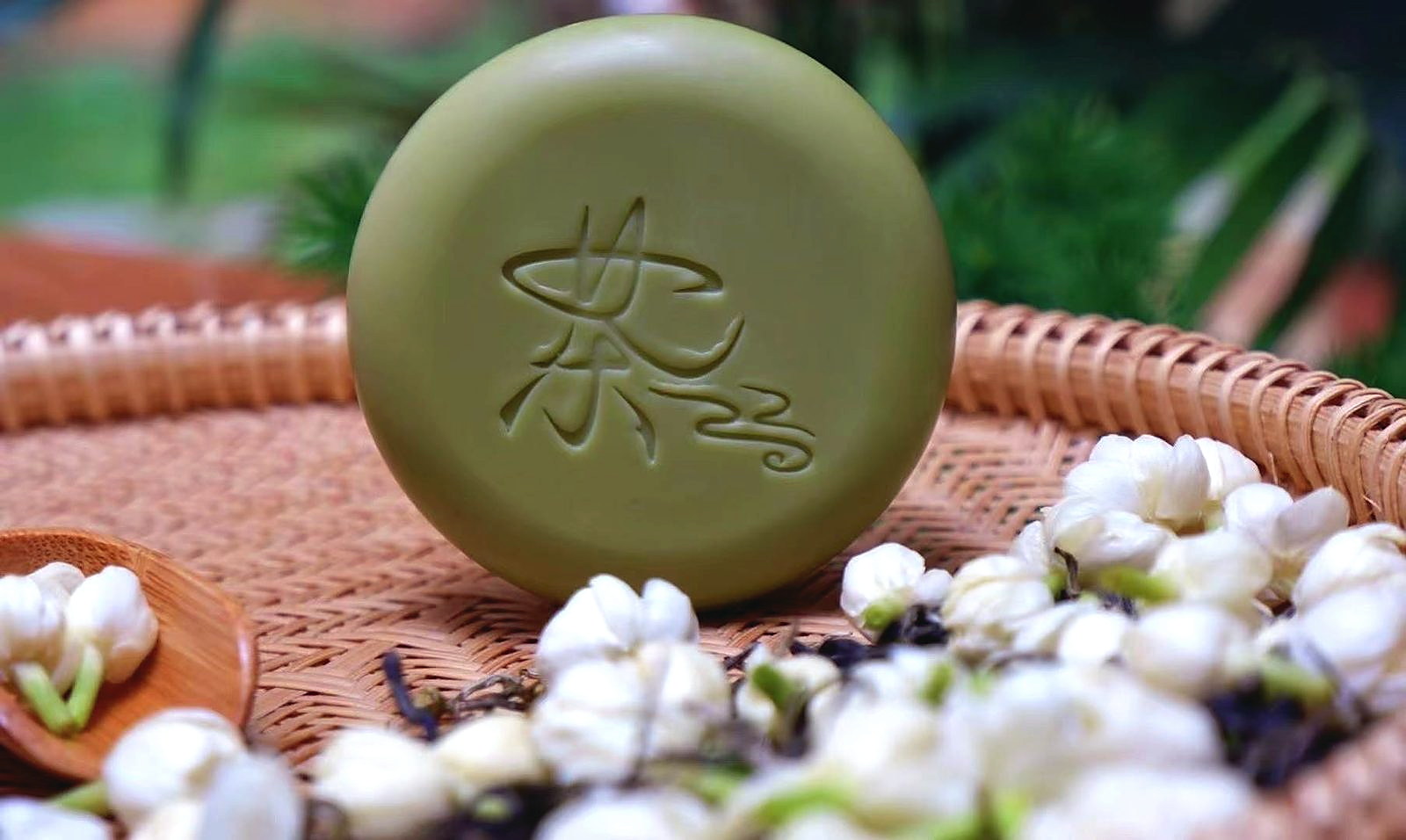
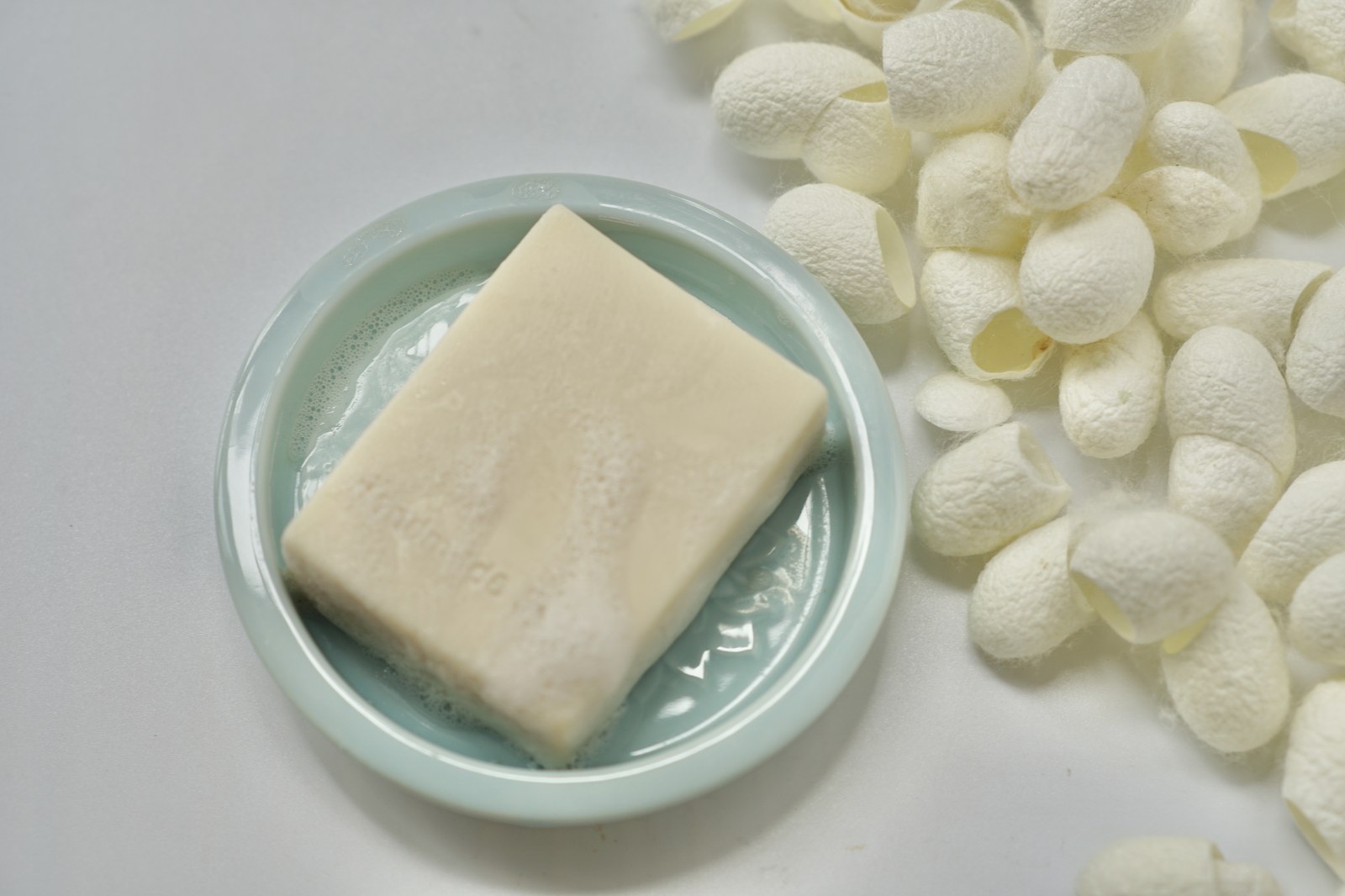
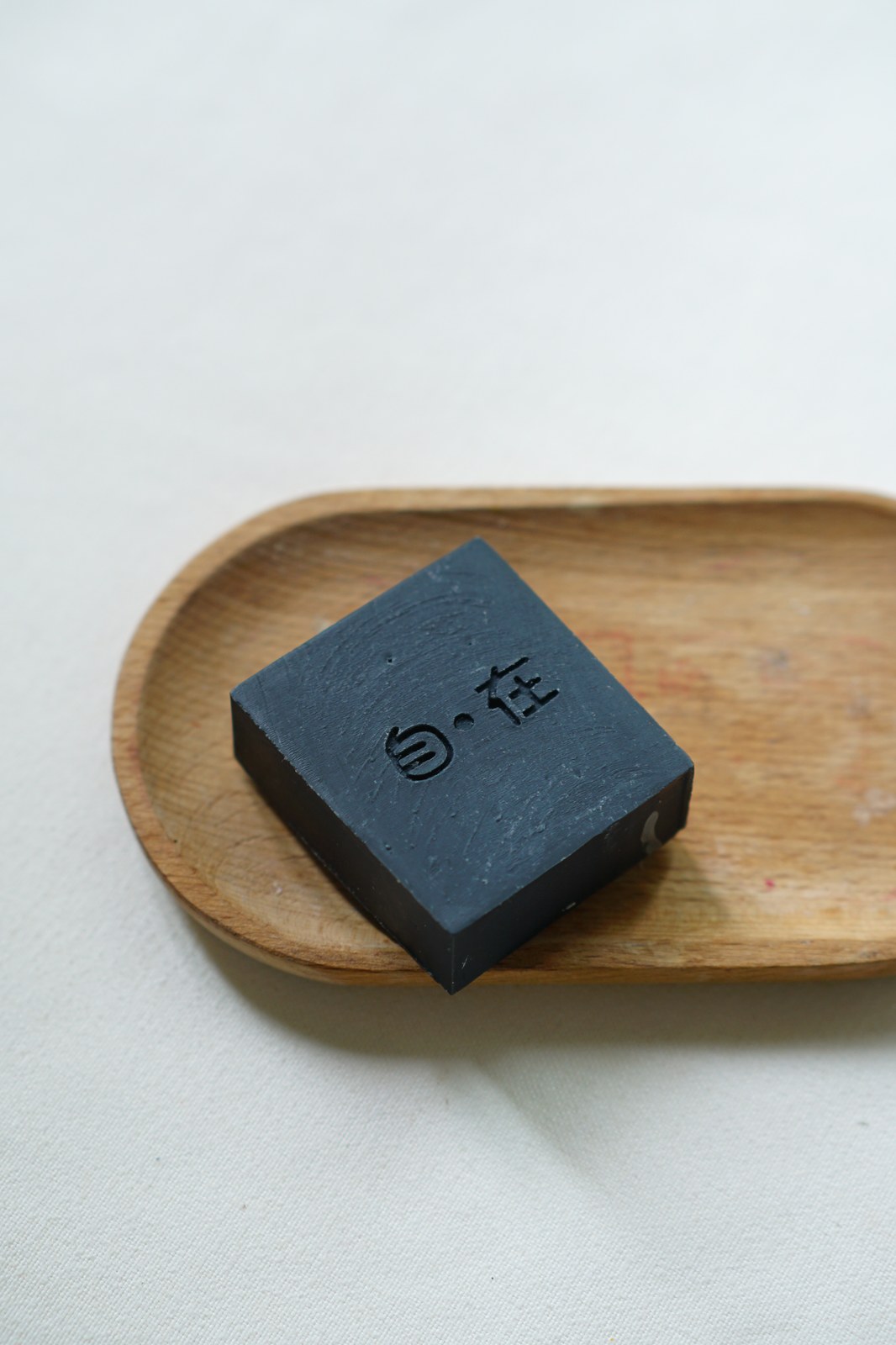
Importers, boutique retail, spa/hospitality, and private-label brands need different story density. Gift-led programs lean floral-tea and woody (Calendula, Jasmine Green Tea, Sandalwood). Body-ritual lines may prefer Coffee Bath or Bamboo Charcoal. Comfort and creamier wash stories often start with Silk Goat Milk or Avocado. Map SKUs to shelf stories before debating price—assortment logic beats SKU count.
2. Match botanicals to market language
Keep entity names consistent: Calendula officinalis, Hippophae rhamnoides, Sophora flavescens, Camellia sinensis, goat milk, silk protein, bamboo charcoal, avocado oil. Consistent naming helps catalogs, customs descriptions, and generative search citation. Open each Ingredients entity page and related PDP before locking bilingual labels.
3. Read feel, scent, and ritual—not fake badges
Each ZAOLI PDP carries an answer capsule, scent/ritual/feel chips, honest specs, and FAQ. Ask for cold-process method clarity, emboss capability, and real batch photography. We publish craft narrative without invented ISO seals, star ratings, KD scores, or traffic claims. Request current INCI and packaging options via RFQ when your importer needs documents.
4. Build a first shortlist of 3–5 bars
A practical trial set often mixes one gentle floral (Calendula), one tea-garden (Jasmine Green Tea), one clarifying (Bamboo Charcoal or Sophora), one cream/comfort (Silk Goat Milk), and one woody gift (Sandalwood). Use Collection filters By Ritual / Concern, then open Related products on each PDP to widen the set without inventing rankings.
5. Plan volume as a band, not a banner MOQ
We do not publish a single invented MOQ. Share SKU mix, emboss needs, packing language, and a quantity range on Inquiry. Mixed botanical assortments are common for first containers. Price and lead times are confirmed in conversation—never as on-page cart theater.
6. Link guides to ingredients and RFQ
After shortlisting, read the Ingredients hub and entity pages for naming, then Craft for method context, Wholesale or OEM for commercial path, and Inquiry for the shared RFQ fields (company, country, role, interest, SKUs, quantity range, notes).